What Size Air Purifier Do You Need for a Home Office?
For a home office under 150 square feet, match the purifier’s smoke CADR to at least two-thirds of the room’s square footage, the same AHAM rule used for any room, then confirm it has a real activated carbon stage, since the EPA names copiers and printers as VOC sources that HEPA alone won’t remove. Because you occupy the room all day rather than only overnight, place the unit near your desk, not tucked in a far corner.
Key takeaways
- Size with the same two-thirds rule used for any room: the Association of Home Appliance Manufacturers (AHAM) says to choose a smoke CADR at least two-thirds of the room’s square footage — about 67 for a 100-square-foot office, about 100 for a 150-square-foot one.
- A home office differs from a bedroom in one practical way: you’re in it for many consecutive daytime hours, not asleep overnight, so holding a steady air-change rate throughout the workday matters more than running on the quietest possible setting.
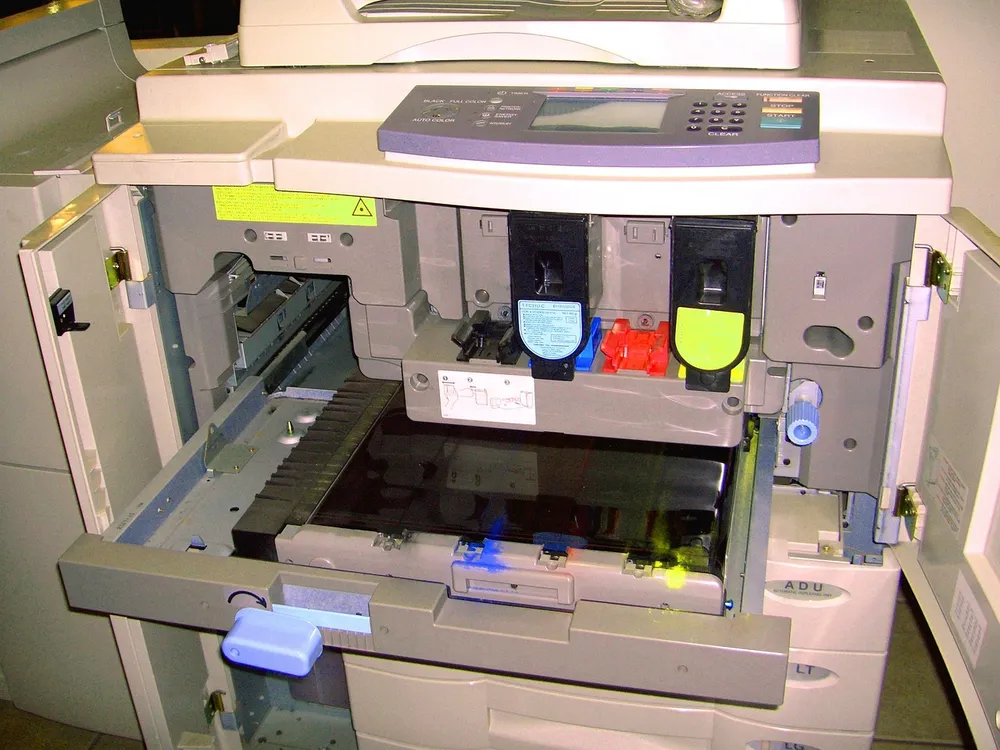
- The EPA lists “office equipment such as copiers and printers, correction fluids and carbonless copy paper” among common indoor VOC sources — a true HEPA filter won’t touch that gas-phase load, so a home office purifier needs an activated carbon filter alongside it.
- A government-reviewed NIOSH study found that laser printers can release ultrafine particles and VOCs during operation, and recommends ventilation plus placing printers away from occupied workstations where practical.
- Placement is as important as sizing: a correctly sized unit wedged against a monitor, a paper stack, or a wall won’t move air through your actual breathing zone, even if its CADR rating matches the room.
How much CADR does a small home office need?
Start with the same baseline used for any room. AHAM’s guidance is direct: “choose an air cleaner with a smoke CADR rating that is two-thirds the size of the room’s area.” Clean Air Delivery Rate (CADR) measures how many cubic feet of filtered air a unit delivers per minute, tested separately for smoke, dust, and pollen — smoke CADR is the figure to match for general air quality sizing.
Most home offices are smaller, closed-door rooms, so the math stays simple:
| Home office size | Example | Minimum smoke CADR (two-thirds rule) |
|---|---|---|
| 80 sq ft | Closet or alcove office | 53 or higher |
| 100 sq ft | Small spare-bedroom office | 67 or higher |
| 120 sq ft | Average home office | 80 or higher |
| 150 sq ft | Larger home office or bonus room | 100 or higher |
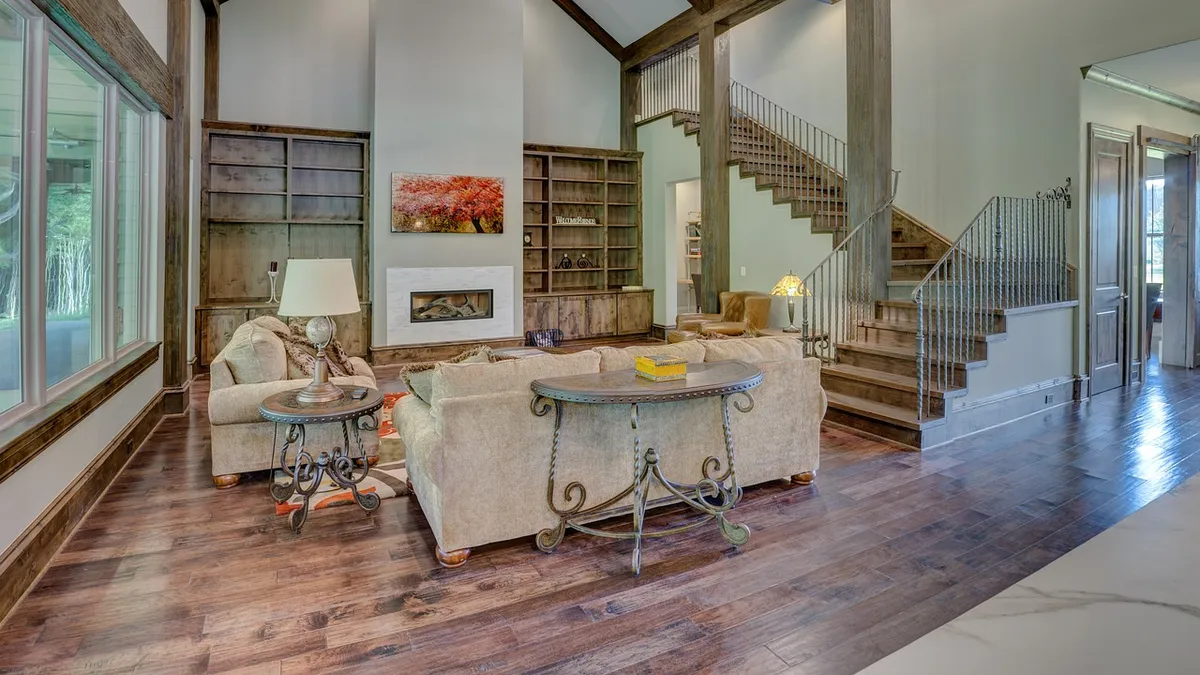
If your office has a vaulted or unusually high ceiling, the EPA’s Guide to Air Cleaners in the Home notes its sizing chart assumes a standard 8-foot ceiling, so a taller room needs a higher CADR than its floor area alone suggests. For the full room-by-room comparison, including bedrooms, kitchens, and basements, see the air purifier size by room guide.
Why doesn’t bedroom-style sizing fit an all-day office?
The CADR math is the same, but the use pattern isn’t. A bedroom purifier mostly has to perform well for roughly eight overnight hours, which is why bedroom guides focus heavily on running quietly at night. A home office is occupied for most of a working day, often eight hours or more, five days a week, with the door closed and the same air recirculating the whole time.
That continuous occupancy is why the air-change rate matters more here than the quietest-possible setting. AHAM’s own guidance points to an EPA-sourced benchmark of roughly 4.8 air changes per hour (ACH) for a correctly sized room — ACH meaning how many times a unit filters a volume of air equal to the whole room in an hour. A unit sized with real headroom above the minimum CADR in the table above can hold that air-change rate on a lower, steadier fan speed for the entire workday, rather than cycling between high and low as it tries to catch up.

Does paper dust and printer or copier VOCs change what filter I need?
Yes. A home office has two pollutant sources a bedroom usually doesn’t: paper handling and office equipment. Flipping through documents, shredding, and stacking paper kick up paper fiber and dust, which a true HEPA filter captures well, the same way it handles household dust and pollen.
The gas-phase side is where a HEPA-only purifier falls short. The EPA’s own list of common indoor VOC sources directly includes office equipment, copiers and printers, correction fluid, and carbonless copy paper, alongside other household items (see the exact wording in the key takeaways above). HEPA filters are built to capture particles, not gases — so an office purifier benefits from an activated carbon filter or another gas-removing filter stage specifically for that load, not HEPA alone.
There’s also a particle angle specific to laser printers and copiers. A study by the National Institute for Occupational Safety and Health (NIOSH), reviewed and hosted with a staff statement by the U.S. Consumer Product Safety Commission, found that laser printers can release ultrafine particles and VOCs during operation, small enough to be inhaled deeply. The report’s practical recommendations are to keep work areas ventilated and, where feasible, position printers away from where people sit for long stretches. The EPA gives the same general advice for any VOC-emitting activity at home: increase ventilation while it’s happening, not only afterward.
If your workspace also deals with heavier solvent or finishing fumes — a garage workshop doubling as an office, for example — see our garage workshop sizing guide for that heavier-duty carbon-filtration case.
Where should I place a purifier at my desk?
Close enough to treat the air you’re actually breathing, but not so close it gets blocked. A purifier wedged against a monitor stand, a wall, or a stack of papers can’t pull air in or push filtered air back out efficiently, which cuts its effective performance regardless of its rated CADR. A unit shoved into a far corner or behind furniture still filters the room over time, but it takes longer to reach your desk specifically, since you’re sitting in roughly the same spot for most of the day.
A practical middle ground: a few feet to the side of your chair, at roughly desk or chest height, with open space on at least two sides for intake and exhaust. That keeps it within your breathing zone without it competing for desk space or blocking your monitor. There’s no official, standards-body distance for this kind of placement — it follows the same general airflow-clearance logic behind any CADR rating, applied to where you actually sit.
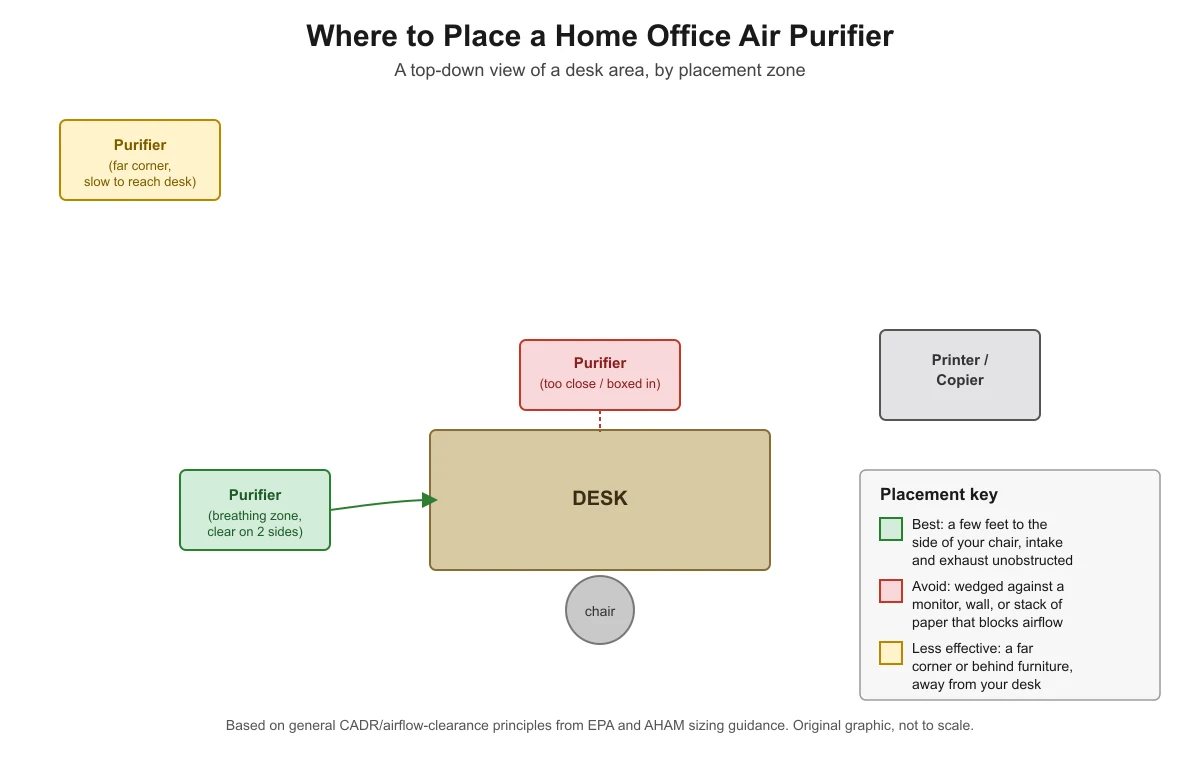
The same three zones from the diagram, in table form:
| Placement zone | What it looks like | Why |
|---|---|---|
| Best: breathing zone | A few feet to the side of your chair, at roughly desk or chest height, clear on at least two sides | Treats the air you actually breathe while working, without blocking intake or exhaust |
| Avoid: too close / blocked | Wedged against a monitor stand, a wall, or a stack of papers | Blocks intake or exhaust, cutting effective output regardless of the unit’s rated CADR |
| Less effective: far corner | Across the room or tucked behind furniture | Still filters the room over time, but takes longer to reach your specific desk |
Frequently asked questions
What size air purifier do I need for a 100-square-foot home office?
Look for a smoke CADR of at least about 67, per AHAM’s two-thirds rule (100 multiplied by two-thirds). That’s the minimum to match, not a ceiling — a unit with some headroom above it runs quieter on a lower setting. If the office has a high or vaulted ceiling, size up further, since the standard chart assumes an 8-foot ceiling.
Does a home office need a bigger purifier than a same-size bedroom?
Not necessarily a higher CADR — the two-thirds sizing rule is the same for any room. What differs is the use pattern: an office runs for many consecutive daytime hours with paper handling and office-equipment VOCs in the mix, so steady, continuous performance and an activated carbon stage matter more than they might in a bedroom.
Will a HEPA purifier remove the smell of toner or printer fumes?
Only partly. HEPA filters catch particles well, including paper dust, but the EPA names printers and copiers as VOC sources, and VOCs are gases that a particle-only HEPA filter doesn’t remove. Pair HEPA with an activated carbon filter to address the odor and gas-phase side.
Can I put the air purifier right next to my printer or copier?
You can, but it isn’t the most effective spot for your own air quality, since it’s then treating air near the printer rather than your breathing zone at the desk. A NIOSH-reviewed study recommends ventilating printer areas and keeping printers away from where people sit for long periods when that’s practical — placing the purifier nearer your desk, not wedged against the printer, usually serves you better.
Is it safe to run an air purifier all day while I work?
Yes. A standard HEPA-and-carbon purifier is designed for continuous operation. Because an office purifier runs more total hours per week than one used only overnight, check the manufacturer’s filter-replacement schedule and expect to replace filters somewhat sooner than a bedroom unit used only at night.
Sources
- U.S. Environmental Protection Agency, Guide to Air Cleaners in the Home — CADR sizing methodology and the 8-foot-ceiling assumption behind the standard sizing chart.
- Association of Home Appliance Manufacturers (AHAM), Tips for Choosing the Ideal Portable Room Air Cleaner — the two-thirds CADR-to-square-footage rule and the EPA-sourced 4.8 ACH guidance.
- U.S. Environmental Protection Agency, Volatile Organic Compounds’ Impact on Indoor Air Quality — naming office equipment, copiers, printers, correction fluid, and carbonless copy paper as VOC sources, and general ventilation guidance.
- National Institute for Occupational Safety and Health (NIOSH), laser printer emissions study and staff statement, hosted by the U.S. Consumer Product Safety Commission — ultrafine particle and VOC emissions from laser printers, and ventilation and placement recommendations.
airpurifiersforspecificrooms.com Editorial Team. Last updated: November 12, 2026.

Related Posts
How to Size an Air Purifier for a Vaulted Ceiling Room
What Size Air Purifier Do You Need for a Garage Workshop?